
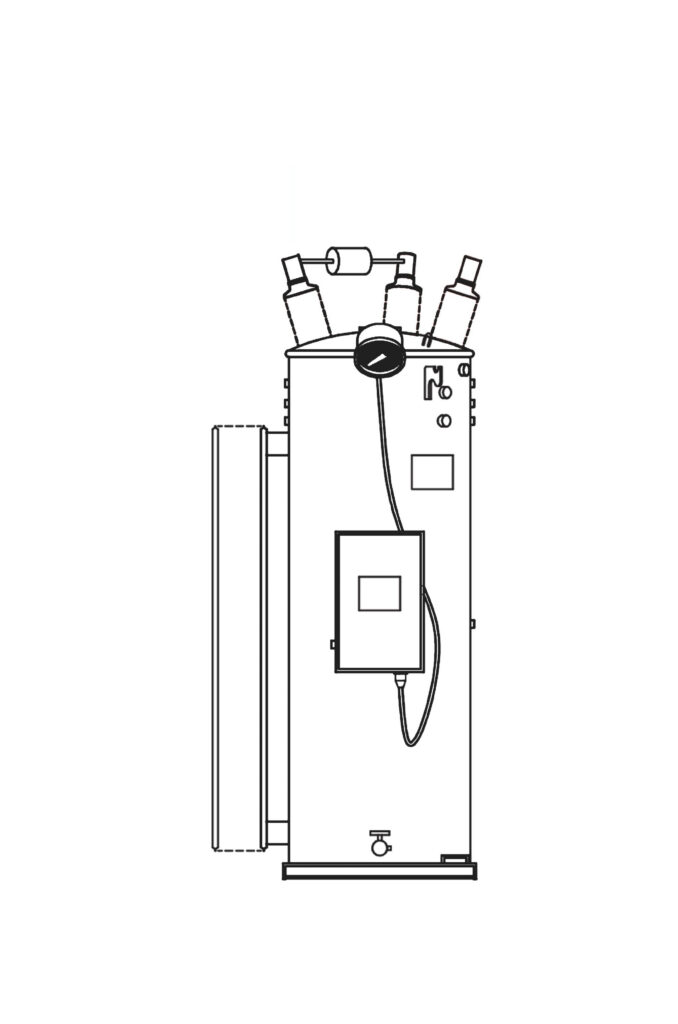
Understanding Voltage Regulators: What They Are and How They Work
In the world of electronics, ensuring a steady supply of voltage is crucial for the optimal performance of devices. This is where voltage regulators come into play. But what exactly is a voltage regulator, and how does it work? Let’s break it down.
What is a Voltage Regulator?
A voltage regulator is an electronic device designed to maintain a constant voltage level. It provides a stable output voltage regardless of changes in input voltage or load conditions. Voltage regulators are widely used in various applications, from powering small electronic devices to larger industrial systems.
Types of Voltage Regulators
There are two main types of voltage regulators: linear and switching.
- Linear Voltage Regulators: These regulators work by dissipating excess voltage as heat. They provide a stable output by adjusting the resistance in the circuit. While they are simple and produce low noise, they can be inefficient, especially when there is a significant difference between input and output voltage.
- Switching Voltage Regulators: These regulators use a different approach. Instead of dissipating excess voltage, they rapidly switch the input voltage on and off, converting it into a desired output voltage. This method is more efficient than linear regulators, especially for applications that require higher power. Switching regulators can step up (boost) or step down (buck) voltage levels, making them versatile for various uses.
How Does a Voltage Regulator Work?
- Input Voltage: The regulator receives an input voltage from a power source, which can fluctuate due to various factors, such as changes in load or supply conditions.
- Voltage Sensing: The regulator constantly monitors the output voltage. If it detects a change in voltage that deviates from the desired level, it responds to correct it.
- Adjustment Mechanism: In a linear regulator, the device adjusts its resistance to maintain the output voltage. In a switching regulator, it modulates the duty cycle (the ratio of the on-time to the off-time) to regulate the voltage efficiently.
- Stable Output: Regardless of variations in input voltage or load, the regulator ensures that the output voltage remains stable, providing reliable power to connected devices.
Why Are Voltage Regulators Important?
Voltage regulators play a critical role in the performance and longevity of electronic devices. Here are a few reasons why they are essential:
- Protection: They protect sensitive components from voltage spikes and fluctuations that could cause damage.
- Efficiency: By providing a stable voltage supply, regulators enhance the overall efficiency of electronic systems.
- Improved Performance: Devices operate more reliably and effectively when supplied with consistent voltage, reducing the risk of malfunction.
Applications of Voltage Regulators
Voltage regulators are used in various applications, including:
- Consumer Electronics: Smartphones, laptops, and gaming consoles rely on voltage regulators for stable operation.
- Industrial Equipment: Machines and control systems in industrial settings use regulators to ensure consistent power supply.
- Automotive Systems: Modern vehicles use voltage regulators to manage the electrical systems and battery charging.
Voltage regulators are vital components in electronic systems, ensuring a stable voltage supply that enhances performance and protects devices. Understanding how they work and their importance can help you appreciate the technology that powers our everyday electronics. Need a voltage regulator rental or repair? Contact us today to get started.