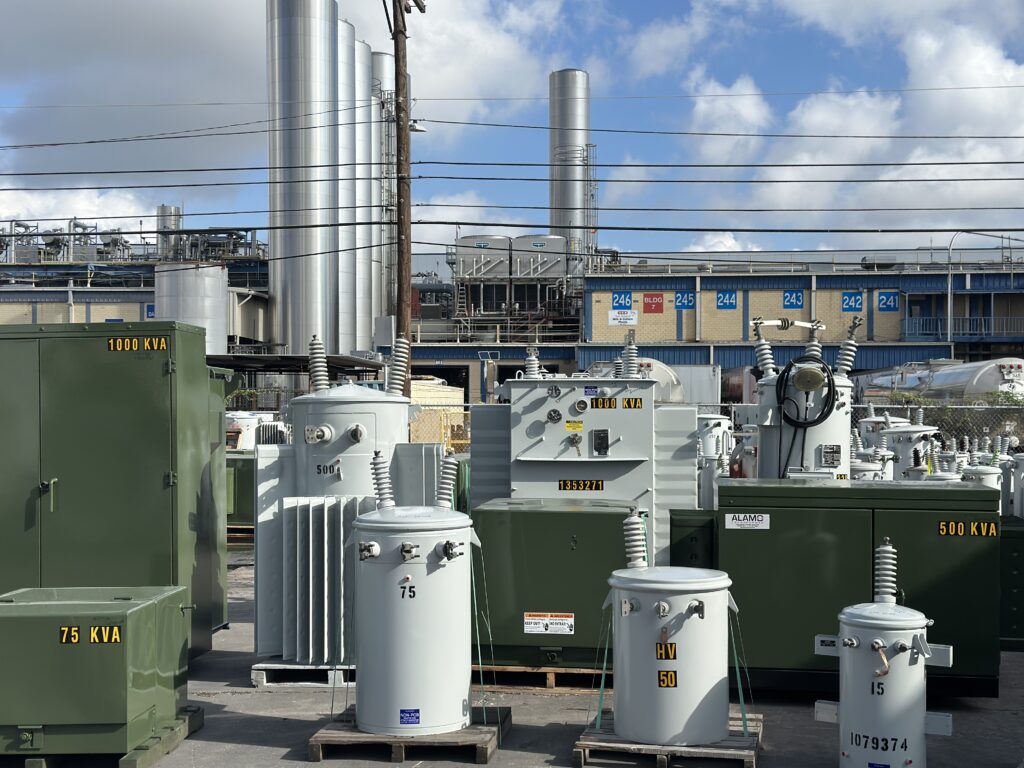
The Difference Between Single-Phase and Three-Phase Power Transformers
When it comes to managing electrical power, power transformers help us distribute electricity safely and efficiently. Among the different types, single-phase and three-phase power transformers are the most common, and knowing the differences between them can help you make the best choice for your needs.
What’s a Single-Phase Transformer?
A single-phase transformer is made to work with a single alternating current (AC) voltage source. It typically has two coils: one for the incoming power (the primary winding) and one for the outgoing power (the secondary winding). You’ll find single-phase power transformers in residential settings or smaller commercial spaces where power demands aren’t too high. They’re straightforward, generally less expensive, and perfect for homes and small offices.
What About Three-Phase Transformers?
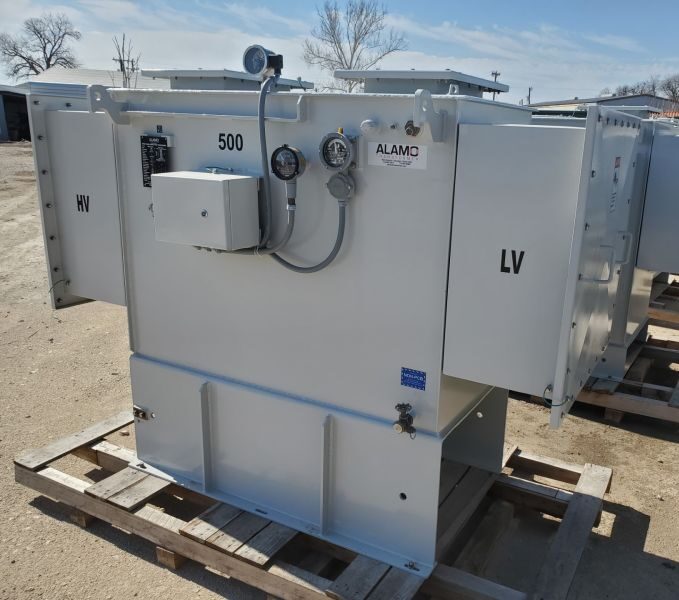
On the other hand, three-phase transformers are built to handle three-phase AC voltage sources. This means they work with three separate currents that are offset by 120 degrees. They can be constructed as a single unit with three windings or as three separate single-phase transformers working together. Three-phase power transformers are the go-to choice for industrial applications and larger commercial buildings because they can handle much bigger loads. They provide a more balanced load distribution, which helps reduce voltage drops and ensures a steady power supply.
Key Differences Between Single-Phase and Three-Phase Transformers
So, how do these two types stack up against each other? For starters, single-phase transformers are best for smaller loads, while three-phase transformers are designed for larger power demands. If you’re dealing with long-distance power transmission, three-phase transformers really shine in terms of efficiency. They can transmit more power using less conductor material compared to single-phase systems. In terms of installation and maintenance, single-phase transformers are easier to work with, thanks to their simpler design. However, three-phase transformers offer greater reliability and stability, which is essential for bigger applications.
When to Use Each Type
Choosing the right power transformer really comes down to your specific power needs. If you’re working on a home, a small office, or a light industrial application, a single-phase transformer is likely the way to go. But if you’re in an industrial setting or need to power a large commercial operation, a three-phase transformer is probably your best bet.
In the end, understanding the differences between single-phase and three-phase transformers can help you make smart choices for your electrical systems. Each type has its own advantages, so take some time to think about your power requirements before making a decision. Whether you need simplicity and cost-effectiveness or efficiency and power capacity, there’s a transformer that’s just right for you! If you’re looking to rent a power transformer, contact us today! We’re here to help guide you through the process and find the perfect solution for your needs!